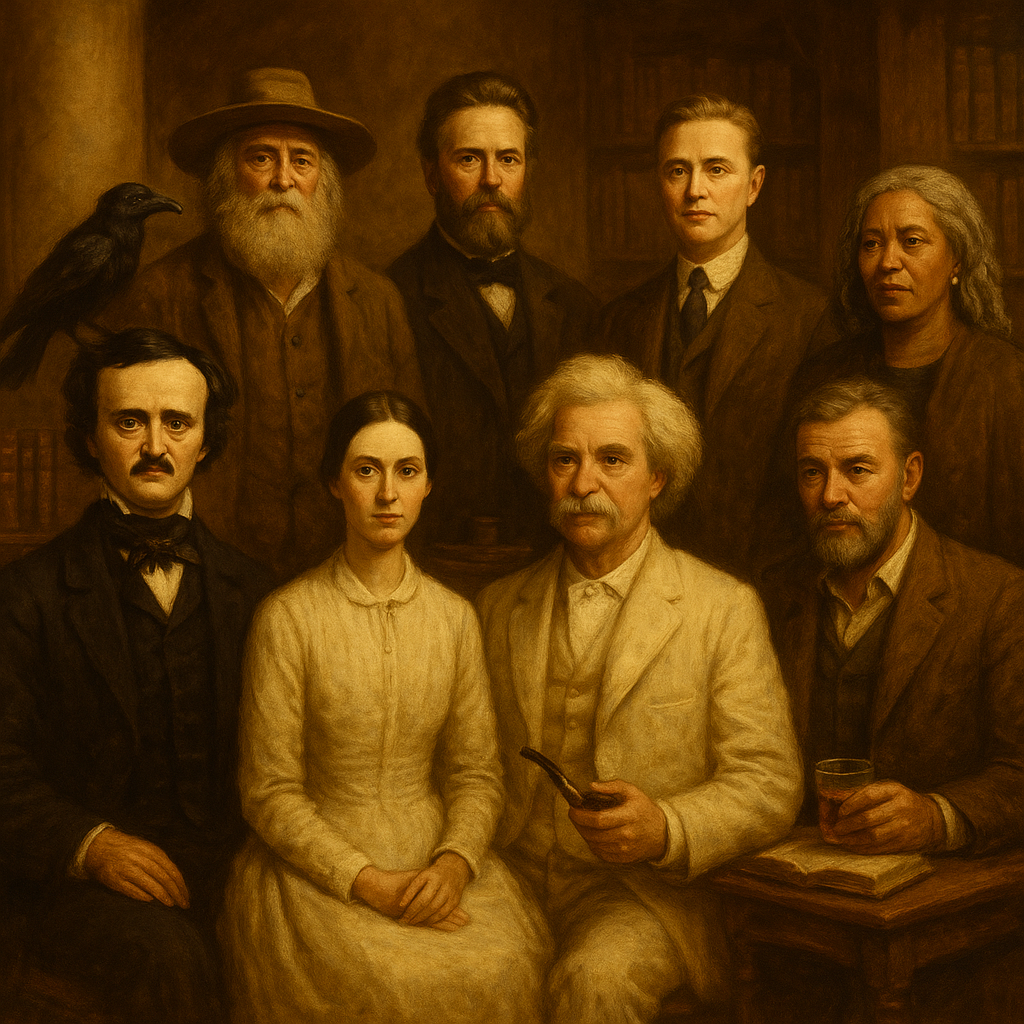
1. Introduction to James Kirke Paulding
James Kirke Paulding shaped early American identity through humor and patriotism. His work celebrated local themes and national pride equally. Moreover, he explored the social changes of post-revolutionary America with insight. Therefore, his writing became cultural reflection and moral commentary together. Born in 1778, he grew within the nation’s formative years. Consequently, his experiences shaped his creative worldview deeply. He stood beside Washington Irving, sharing the vision of national literature. Furthermore, his humor bridged common experience and intellectual reflection skillfully. Through stories and essays, he captured America’s youthful optimism. His literary journey combined folklore, realism, and civic duty gracefully. Thus, his career represents early America’s growing confidence. Readers found his voice familiar, moral, and distinctly national. Hence, James Kirke Paulding remains central in shaping literary independence. His art taught that American humor expresses wisdom and courage.
2. Childhood and Early Influences
Paulding’s childhood unfolded amid revolutionary memories and patriotic energy. His family nurtured loyalty, discipline, and curiosity constantly. Moreover, the national atmosphere shaped his imagination naturally. Growing near the Hudson River, he absorbed storytelling traditions deeply. Therefore, his youthful environment reflected adventure and identity together. Each local tale revealed courage and wit charmingly. Furthermore, community life encouraged his observation of human nature. He learned empathy through shared hardships and rural simplicity. Consequently, his later works captured truth with lively realism. Books and conversation replaced formal education entirely. Thus, he cultivated knowledge through self-discipline and curiosity. His mind absorbed both local dialects and global ideas equally. Readers see his early world shaping mature creativity directly. Indeed, these experiences made humor his natural form of philosophy. His youth forged foundation for moral and artistic purpose.
3. Friendship with Washington Irving
Paulding’s bond with Washington Irving defined his literary beginnings. Their collaboration inspired humor, imagination, and shared patriotism greatly. Moreover, the friendship blended youthful creativity with disciplined vision. Together, they explored America’s spirit through laughter and reflection. Therefore, their partnership produced influential works of cultural satire. The Salmagundi Papers introduced social wit and national commentary vividly. Furthermore, their humor taught society to reflect through amusement. Readers admired their courage to define new literary directions. Their creative chemistry revealed America’s independent literary voice early. Consequently, Irving and Paulding strengthened national humor tradition firmly. The partnership taught both writers discipline and creative risk. Thus, mutual respect deepened their artistic confidence permanently. Their friendship stands as model of creative brotherhood today. Through shared laughter, they shaped foundations of American literature effectively.
4. The Salmagundi Papers
The Salmagundi Papers marked turning point in early literary culture. It combined satire, observation, and wit with civic awareness perfectly. Moreover, the journal attacked pretension while celebrating everyday humor. Each issue revealed sharp moral insight and national optimism. Therefore, the work became symbol of early American expression. Paulding’s essays radiated clarity, rhythm, and good-natured irony. Furthermore, his humor reflected responsibility rather than mockery. Readers found themselves both entertained and enlightened through satire. The publication united intellect and simplicity harmoniously. Consequently, its tone shaped the future of American journalism. The Salmagundi Papers remains milestone of humorous social critique. Its playful structure disguised serious reflection effectively. Thus, Paulding’s humor reached moral depth beneath laughter. The essays taught readers self-awareness through amusement continually. Indeed, they confirmed laughter as vital democratic expression of thought.
5. Development of Literary Style
Paulding’s writing matured through experimentation and reflection steadily. His early humor evolved toward moral narrative naturally. Moreover, he balanced realism with national sentiment effectively. His voice carried both laughter and learning together. Therefore, his style reflected unity of intellect and emotion. The prose flowed easily yet carried thoughtful discipline. Furthermore, his language embraced colloquial charm without vulgarity. Readers felt authenticity glowing beneath refinement always. Consequently, his characters embodied truth rather than decoration. Paulding learned how to express depth through humor skillfully. Thus, simplicity became instrument of sophistication naturally. He rejected imitation of European models completely. His art valued honesty, tone, and cultural identity equally. Through this, he strengthened foundations of native literature. Indeed, his evolving style represented balance between art and morality.
6. Major Themes in His Works
Paulding explored nationalism, virtue, and human folly persistently. His themes reflected America’s early social transformations clearly. Moreover, he portrayed common people with dignity and humor. Therefore, his works captured optimism of democratic life. Patriotism appeared through moral narrative rather than rhetoric. Furthermore, he emphasized self-reliance, honesty, and temperance throughout. His characters reflected moral struggle within simple circumstances. Consequently, his stories became lessons in virtue and courage. Readers admired his ability to moralize without preaching. His humor softened criticism and strengthened empathy gracefully. Thus, the themes united education and enjoyment perfectly. He believed literature should elevate mind and society together. Indeed, his writing expressed deep faith in humanity’s progress. His major themes continue to echo through early American culture.
7. The Lay of the Scottish Fiddle
This work demonstrated Paulding’s wit in poetic form creatively. It parodied Walter Scott’s romanticism with skill and humor. Moreover, he used imitation to express cultural independence boldly. Therefore, parody became weapon of literary self-definition cleverly. Readers enjoyed its playful critique and rhythmic confidence equally. The poem exposed how imitation threatened originality subtly. Furthermore, Paulding balanced satire with affectionate tone gracefully. His rhythm mirrored Scottish verse while teaching artistic identity. Consequently, the poem proved American literature’s growing confidence clearly. The Lay of the Scottish Fiddle delighted critics and readers alike. It represented America’s humorous assertion of creative equality globally. Thus, Paulding transformed parody into patriotic celebration skillfully. Through laughter, he defended originality as moral duty continually. Indeed, his poetic satire advanced cultural independence through wit.
8. The Diverting History of John Bull and Brother Jonathan
Paulding’s John Bull and Brother Jonathan symbolized American wit and self-respect. It dramatized Britain-America relations with humor and fairness. Moreover, the satire reflected intelligence beneath laughter constantly. Each page exposed prejudice while defending national dignity calmly. Therefore, humor replaced hostility through wisdom and restraint. The book showed moral victory through humor’s elegance. Furthermore, Paulding revealed diplomacy’s cultural dimensions cleverly. Readers admired how wit defused political tension effectively. Consequently, the satire encouraged pride without arrogance nationally. The story blended character comedy with sharp cultural insight gracefully. Thus, it united politics and literature harmoniously. The work’s laughter educated readers about civility and understanding. Through Brother Jonathan, America found its moral voice early. Indeed, Paulding proved humor could refine patriotism beautifully.
9. Exploration of National Identity
Paulding’s writing explored meaning of national character continuously. He questioned imitation while celebrating originality passionately. Moreover, his essays defended American speech, manners, and humor. Therefore, he helped shape national consciousness through storytelling directly. Readers felt identity growing through literature’s rhythm. His tone balanced pride and humility carefully. Furthermore, he saw art as moral duty to culture. His pages breathed love for home and humanity together. Consequently, his humor reflected strength, not vanity. Paulding’s literature became mirror of emerging democracy naturally. Thus, he joined civic purpose with artistic integrity. His reflections inspired younger writers to trust local experience. Indeed, his faith in America shaped future literary movements profoundly. Through his work, national self-awareness matured with charm and grace.
10. Influence on American Humor
Paulding’s humor shaped national laughter with moral insight. His wit united honesty and affection seamlessly. Moreover, he taught that comedy refines rather than ridicules. Therefore, humor became instrument of virtue and self-knowledge. His style influenced generations of satirists and storytellers directly. Furthermore, he replaced cruelty with gentle irony consistently. Readers learned humility through laughter guided by conscience. Consequently, his influence endured across cultural shifts easily. His characters represented simple people with universal emotions. Thus, humor expressed shared humanity beyond class or creed. Paulding’s laughter revealed wisdom hidden within daily folly. Indeed, his humor strengthened nation’s moral imagination considerably. Through him, American wit acquired dignity and purpose forever. His artistic balance between laughter and learning remains exemplary today.
11. Social and Political Views
James Kirke Paulding engaged public questions through balanced reasoning continually. His essays discussed governance, equality, and moral responsibility carefully. Moreover, he valued discipline and virtue as foundations of freedom. Therefore, his politics reflected civic ethics more than partisanship. He criticized excess without cynicism consistently. Furthermore, his writing defended education as tool of justice. Readers respected his calm tone amid turbulent issues. Consequently, he became voice of thoughtful patriotism nationally. His social ideas promoted community, moderation, and faith. Thus, his civic writings complemented his literary mission naturally. Paulding believed that liberty required constant self-control. Indeed, his political prose echoed his moral philosophy deeply. His insight united civic realism with national idealism gracefully. Through reflective essays, he encouraged harmony over division courageously.
12. Moral Philosophy and Ethical Vision
Paulding’s moral philosophy blended humor with discipline perfectly. He saw virtue as art of balance and reason. Moreover, he expressed morality through laughter and story equally. Therefore, ethical vision guided every creative decision. His fiction educated while delighting audiences steadily. Furthermore, he believed goodness required understanding, not punishment. Readers felt uplifted rather than lectured always. Consequently, his stories offered moral clarity through humanity. The humor concealed philosophy beneath gentle amusement skillfully. Thus, his ethical tone defined character and narrative alike. Paulding’s belief in moral progress shaped all his art. Indeed, his conscience illuminated early American optimism consistently. Through every tale, he joined laughter with moral truth beautifully. His ethical imagination remains model of cheerful wisdom forever.
13. Literary Experiments and Innovation
James Kirke Paulding loved experimentation within literary boundaries constantly. He shifted between verse, fiction, and essays with agility. Moreover, each experiment refined his creative discipline carefully. Therefore, variety defined his progress and artistic courage. His works displayed playful imagination grounded in structure. Furthermore, his writing balanced elegance and simplicity harmoniously. Readers enjoyed variety without losing thematic unity anywhere. His explorations revealed the range of early American art. Consequently, Paulding proved that experimentation sustains creativity naturally. His stories reflected openness toward change and discovery equally. Thus, he became master of adaptable literary form. Each work displayed freshness of tone and moral steadiness. Indeed, his artistic curiosity reflected nation’s growing cultural freedom. Through constant reinvention, he kept his vision alive purposefully. His experimentation strengthened future confidence in national literature entirely.
14. Depiction of Rural America
Paulding portrayed rural landscapes with affection and accuracy continually. His writing celebrated simplicity, nature, and moral balance gracefully. Moreover, he revealed humor within daily village life. Therefore, his rural portraits carried charm and authenticity together. Readers found beauty within familiar surroundings easily. Furthermore, his depictions encouraged pride in ordinary existence. His characters represented honesty rather than sophistication deliberately. Consequently, the countryside became setting of virtue and wisdom. His vision blended social realism and poetic imagery wonderfully. Thus, Paulding preserved America’s early rural spirit forever. He showed that simplicity sustains emotional and cultural integrity deeply. Indeed, his rustic scenes taught moral truth through imagery. Through humor and affection, he dignified the common man. His landscapes offered comfort, laughter, and reflection simultaneously.
15. Representation of Women in His Works
James Kirke Paulding portrayed women with sympathy, respect, and humor beautifully. His heroines reflected strength rooted in virtue consistently. Moreover, he valued female intelligence as moral force. Therefore, his women shaped conscience within household and community equally. Readers admired their wit and emotional resilience deeply. Furthermore, he avoided sentimentality through realistic affection carefully. His tone honored equality through moral grace naturally. Consequently, his writing elevated women beyond decorative presence entirely. His female characters guided moral harmony through empathy. Thus, Paulding’s portrayal broadened early literary vision gracefully. He redefined womanhood through courage and humor intertwined perfectly. Indeed, his view of gender reflected cultural balance thoughtfully. Through compassionate realism, he celebrated partnership over submission sincerely. His women revealed humanity’s strength in gentle expression always.
16. Influence of Religion on His Thought
Faith guided Paulding’s creativity and ethics profoundly. Religion informed his humor with humility and reverence equally. Moreover, he believed laughter purified pride through faith. Therefore, moral improvement became purpose of joy and story. His Christian values shaped tone of tolerance naturally. Furthermore, he linked spiritual duty with civic discipline carefully. Readers sensed moral optimism throughout his religious reflections. Consequently, his humor embodied both devotion and intelligence. His belief in divine order strengthened artistic stability clearly. Thus, religion provided harmony between heart and intellect. He viewed creativity as sacred responsibility always. Indeed, his reverence added depth to national humor deeply. Through religion, he connected art with humanity’s eternal purpose. His spiritual integrity illuminated the foundation of his art.
17. Style of Dialogue and Characterization
Paulding’s dialogue captured natural rhythm of conversation perfectly. He made characters speak with wit and clarity always. Moreover, his tone combined realism with charm harmoniously. Therefore, readers felt intimacy within every exchange. His use of dialect reflected empathy and accuracy effectively. Furthermore, his characterization balanced humor and psychology gracefully. His figures felt human, flawed, and endearing simultaneously. Consequently, the narrative flowed like everyday speech beautifully. His writing taught that simplicity communicates complexity well. Thus, he mastered art of conversation within literature. Each dialogue advanced theme and personality purposefully. Indeed, his talent for voice deepened narrative impact immensely. Through speech, his characters revealed moral essence directly. Paulding proved that conversation could embody national spirit clearly.
18. Contribution to American Nationalism
James Kirke Paulding strengthened early nationalism through words and imagination continually. His writing unified readers under shared ideals gracefully. Moreover, he celebrated the republic’s moral foundation confidently. Therefore, literature became voice of unity and conscience. His essays educated patriotism without aggression consistently. Furthermore, he valued moderation over political passion wisely. His work revealed faith in collective moral progress. Consequently, he nurtured hope during America’s formative decades effectively. His nationalism avoided vanity through honest affection. Thus, Paulding became voice of balanced patriotism proudly. He expressed love for nation through wit and truth. Indeed, his patriotism represented integrity rather than ambition purely. Through literature, he fortified democracy’s ethical base permanently. His words strengthened loyalty through humor and wisdom intertwined.
19. Theoretical Views on Art and Morality
James Kirke Paulding viewed art as extension of moral discipline firmly. He believed beauty must serve truth consistently. Moreover, he united artistic form and ethical value naturally. Therefore, he saw imagination as sacred responsibility. His essays on art reflected clarity and devotion. Furthermore, he criticized vanity within art’s false ambition thoughtfully. Readers found inspiration in his vision of integrity. Consequently, his theories linked artistry with national virtue deeply. His reflections guided writers toward sincerity and restraint continually. Thus, he gave art purpose beyond pleasure alone. He argued that creativity refines humanity through harmony and reason. Indeed, his moral aesthetic defined early cultural standards elegantly. Through such thought, he uplifted literature’s ethical reputation nationwide. His philosophy joined inspiration with self-discipline beautifully.
20. Literary Influence on Later Generations
Paulding’s influence extended to many younger writers meaningfully. His humor shaped the tone of early American realism. Moreover, his wit inspired confidence in national style. Therefore, later authors learned simplicity and morality from him. His example proved literature could remain virtuous and popular. Furthermore, his voice echoed through essays and fiction widely. Readers sensed his presence behind American humor’s development. Consequently, his style remained foundational for literary independence. His ideas taught honesty and moderation across generations clearly. Thus, Paulding’s influence exceeded his own fame naturally. His legacy strengthened continuity of American creative identity. Indeed, he bridged eighteenth and nineteenth-century moral thought gracefully. Through endurance, his humor educated writers and audiences alike. His spirit lives within America’s literary conscience eternally.
21. Civic and Public Service
Paulding’s patriotism extended into civic engagement responsibly. He served his country with diligence and honor consistently. Moreover, he accepted government positions without abandoning creativity. Therefore, his work balanced administration and literature naturally. His public service reflected ethical stability and humility constantly. Furthermore, he saw leadership as moral extension of writing. Readers admired his dedication to national improvement sincerely. Consequently, he symbolized harmony between intellect and duty beautifully. His actions matched the moral tone of his prose perfectly. Thus, civic participation deepened his artistic credibility immensely. He viewed public service as continuation of authorship meaningfully. Indeed, his loyalty expressed through deed strengthened his reputation. Through such balance, he embodied enlightened patriotism admirably. His example encouraged harmony between governance and culture permanently.
22. Comparison with Contemporary Writers
Paulding differed from his contemporaries through tone and intent. His humor carried gentleness absent in many peers. Moreover, his focus remained on virtue, not vanity. Therefore, he defined literary refinement through humility and depth. Others sought fame while he pursued honesty constantly. Furthermore, his humor contrasted with Irving’s polish subtly. Readers found warmth replacing sharp satire in his style. Consequently, his reputation grew quietly yet steadily over years. His writing complemented Bryant’s morality and Cooper’s realism effectively. Thus, he enriched national literature through sincerity and modest charm. His individuality represented moral courage within early cultural trends. Indeed, his distinction rested upon truthfulness, not exaggeration. Through balance, he taught literature dignity without pride. Paulding’s work harmonized intellect, humor, and faith beautifully.
23. Language and Expression
Paulding’s language reflected clarity, rhythm, and sincerity gracefully. He avoided ornamentation while preserving richness of meaning. Moreover, his tone flowed with honesty and discipline. Therefore, simplicity became his strongest stylistic strength. His vocabulary expressed familiarity without vulgarity ever. Furthermore, he respected rhythm and phrasing with care. Readers admired ease and moral weight combined seamlessly. Consequently, his expression mirrored American speech elegantly. His linguistic control reflected both intellect and emotion clearly. Thus, he turned everyday language into poetic form. He proved that clarity could convey beauty naturally. Indeed, his plain diction preserved power of conviction purely. Through precision, he shaped lasting charm within prose. His expression remains model of moral simplicity and grace.
24. Legacy in Cultural Memory
Paulding’s legacy endures within American conscience and classroom alike. His works reflect humor’s moral intelligence timelessly. Moreover, his stories preserve optimism of national awakening beautifully. Therefore, his contribution continues through historical and literary study. His values inspire reflection upon early American identity continuously. Furthermore, he symbolizes honesty, discipline, and balanced wit effectively. Readers rediscover his relevance within moral education repeatedly. Consequently, his name represents early ideal of literary virtue. His cultural memory remains strong through moral resonance forever. Thus, his spirit enlightens readers with humor and humanity. Indeed, his writings form bridge between eras of faith. Through moral laughter, he preserves nation’s ethical imagination. His works remind readers that wit sustains truth enduringly.
25. Critical Reception Through the Ages
Critical opinion about Paulding evolved through changing centuries steadily. His humor gained respect among moral critics early. Moreover, later readers rediscovered his cultural importance gradually. Therefore, appreciation deepened as nationalism matured historically. Scholars admired his contribution to humor and identity jointly. Furthermore, his moral tone distinguished him from imitators clearly. Readers valued sincerity over extravagance within his prose. Consequently, his place within literary history remains secure today. Critics now reevaluate him as cultural bridge sincerely. Thus, renewed study highlights his steady moral influence. Indeed, his revival proves humor’s timeless ethical relevance perfectly. Through analysis, readers rediscover his art’s honesty and grace. His reputation continues to grow within American literary scholarship steadily.
26. Artistic Vision and Personal Integrity
Paulding united personal conviction and artistic vision harmoniously. His character reflected the virtues his art celebrated sincerely. Moreover, he lived by moderation, diligence, and moral consistency. Therefore, life and literature formed single moral narrative. His choices revealed self-discipline over ambition gracefully. Furthermore, humility shaped every decision he made purposefully. Readers respected harmony between principle and profession profoundly. Consequently, his art felt authentic through visible integrity. His sincerity remains enduring model for literary ethics eternally. Thus, his vision combined spiritual faith with civic loyalty beautifully. Indeed, Paulding embodied moral steadiness through both pen and action. Through honesty, he taught writers courage of restraint truly. His personal example strengthened literature’s connection with conscience forever.
27. Reflection on Humor and Humanity
Paulding’s humor rested upon understanding, not ridicule always. He laughed to teach rather than to wound deliberately. Moreover, he viewed laughter as divine equalizer eternally. Therefore, humor revealed unity between intellect and compassion clearly. His jokes carried tenderness beneath sharp wit thoughtfully. Furthermore, his moral purpose enriched every comic image beautifully. Readers felt purified rather than mocked through his tone. Consequently, his humor achieved both education and joy gracefully. His belief in laughter’s goodness elevated comedy’s dignity globally. Thus, humor became symbol of enlightened moral strength. Indeed, his vision redefined laughter as form of grace. Through kindness, he restored meaning to moral amusement enduringly. His humor celebrated love for humanity through self-awareness continually.
28. Connection between Humor and Patriotism
Paulding connected national pride and humor skillfully. He taught that laughter unites rather than divides people. Moreover, his patriotic tone replaced pride with humility beautifully. Therefore, humor became act of service toward unity. His satire encouraged self-reflection within national character effectively. Furthermore, his jokes invited sympathy rather than anger always. Readers found reconciliation through gentle laughter repeatedly. Consequently, his humor strengthened civic friendship and loyalty naturally. His vision portrayed laughter as moral foundation of patriotism. Thus, he educated society through wit and moderation gracefully. Indeed, Paulding showed that humor sustains collective conscience continually. Through comedy, he cultivated shared strength within diverse people. His patriotism found pure voice through smiling wisdom perpetually.
29. Later Years and Final Reflections
In later life, Paulding reflected upon nation’s progress proudly. He witnessed moral growth he once imagined through art. Moreover, his maturity deepened affection for people and truth. Therefore, age brought calm faith in creative purpose always. His final writings carried peace, humility, and moral beauty. Furthermore, his tone revealed gratitude toward divine order profoundly. Readers sensed fulfillment within his closing reflections clearly. Consequently, his old age crowned his labor with serenity. His wisdom inspired trust in virtue’s lasting victory forever. Thus, his late years symbolized harmony between faith and art. Indeed, he completed journey from humor to holiness gracefully. Through contemplation, he unified heart and intellect permanently. His final legacy affirmed joy as highest moral truth.
30. Enduring Legacy of James Kirke Paulding
James Kirke Paulding remains beacon of early American virtue. His humor, insight, and patriotism shaped literature’s conscience forever. Moreover, he joined laughter and faith into creative harmony beautifully. Therefore, James Kirke Paulding symbolizes balance between intellect and morality. His writing proved wit and goodness strengthen culture equally. Furthermore, his life exemplified discipline within freedom remarkably. Readers remember him as founder of ethical humor genuinely. Consequently, his place within national heritage endures unshaken eternally. His works reflect hope, humility, and joy of truth continually. Thus, James Kirke Paulding defines golden standard of moral creativity. Indeed, his humor still refines conscience and taste gracefully. Through his legacy, literature preserves laughter’s holy power eternally. His art ensures America’s soul remains thoughtful, wise, and free.
Mark Twain: https://americanlit.englishlitnotes.com/mark-twain/
The Jewel of the World: https://englishwithnaeemullahbutt.com/2025/06/03/jewel-of-the-world/
English Literature OR The English Literature? https://grammarpuzzlesolved.englishlitnotes.com/grammar-puzzles-solved-23-should-we-say-the-english-literature-or-just-english-literature/
The Monk in The Canterbury Tales: https://englishlitnotes.com/2025/05/24/monk-in-canterbury-tales/
James Kirke Paulding and the South: https://share.google/p5pobbHAGQVcXgZsY
Discover more from Welcome to My Site of American Literature
Subscribe to get the latest posts sent to your email.